

A project tool built by people who couldn't find one they liked.
It started as a side problem at a small digital agency. The kind of problem that wouldn't go away after work, because no project tool fit how the work actually flows. So we built one.
Project software is built for the wrong half of the brain.
Most project tools assume you already know the shape of the work: what to build, in what order, with what dependencies. So the interface is a list, or a board, or a Gantt chart, and the job is to keep it tidy.
But the work that's actually hard isn't tidy. It's figuring out which path commits you, which prerequisite you forgot, which branch is about to cost you a week. That work happens in your head, and most tools don't help with it. They just want a status update.
Tree was built so the shape of the project is visible the whole way through. Not just before work starts. Not just during the post-mortem. The whole time.
Software should have opinions.
Every tool that tries to be everything ends up being nothing. Generic project software treats every team like a configuration problem: pick your views, set your filters, build your workflow, and good luck.
We think tools should arrive already convinced of how the work should go. You should feel the opinion the moment you open the app. You should be able to argue with it. You should be able to leave for something else if the argument doesn't go your way.
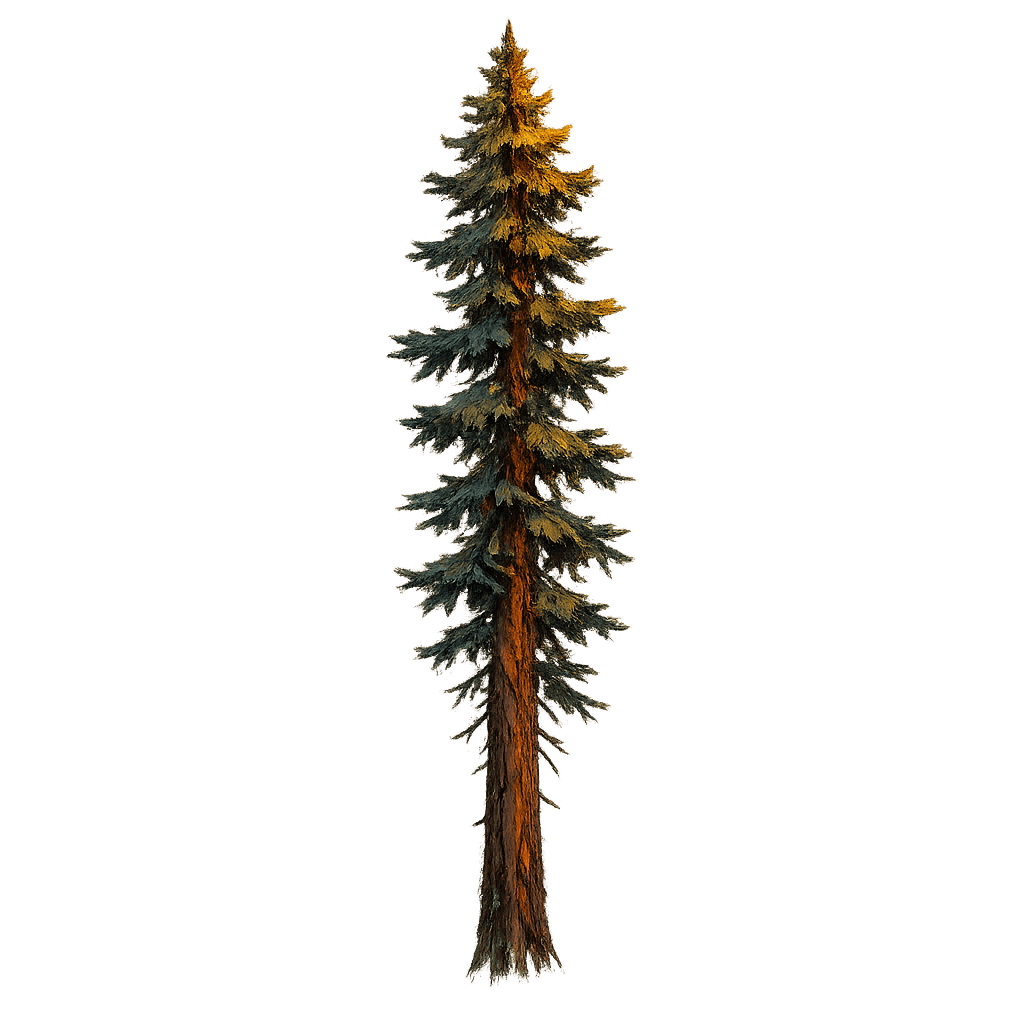
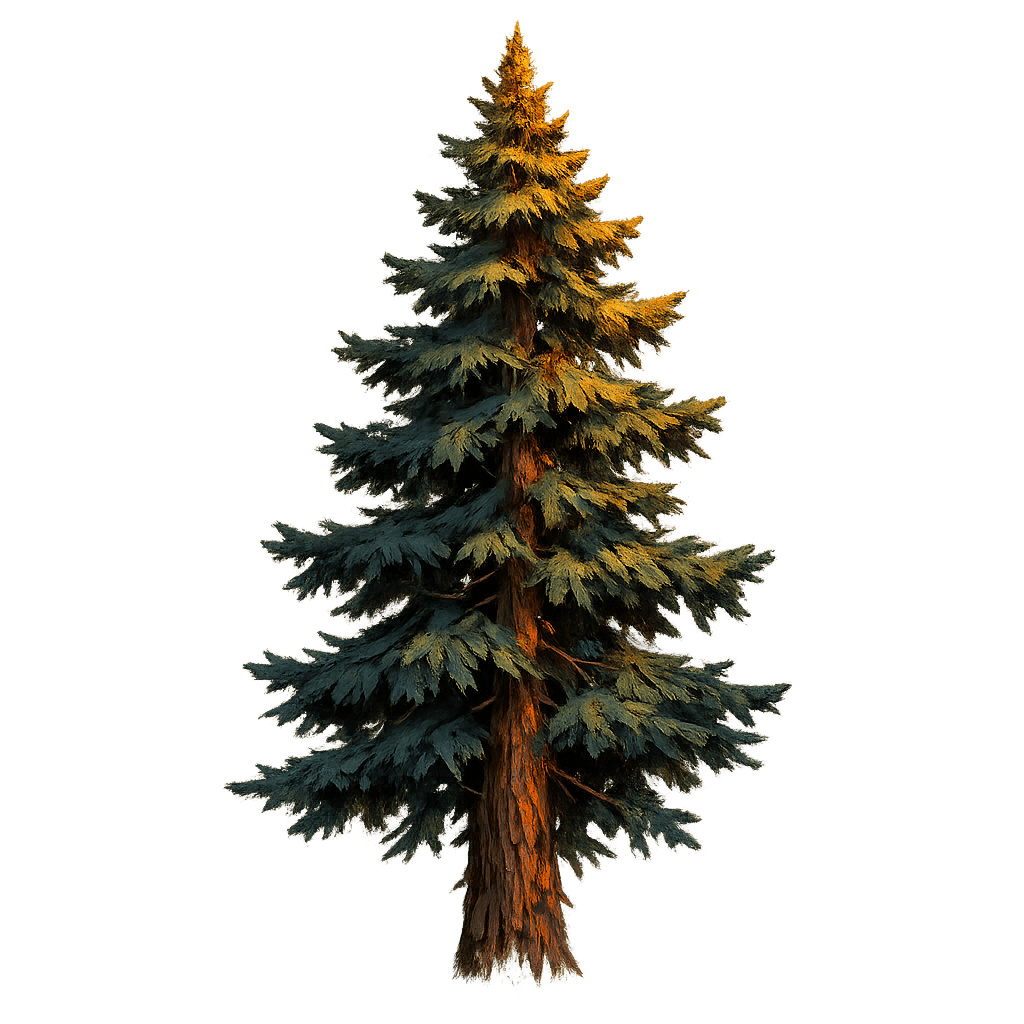
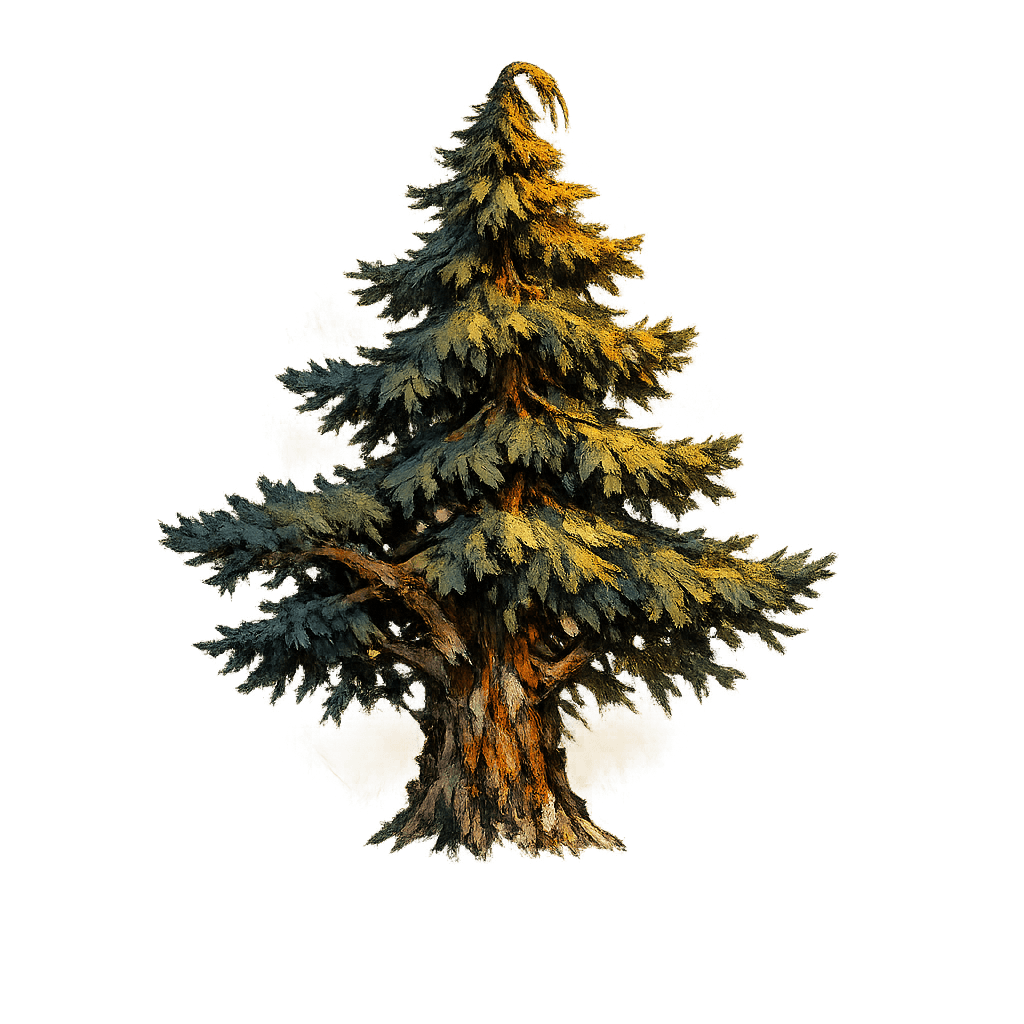
Tree thinks projects are trees. That's the opinion. Everything else flows from it.
Some software shouldn't exist, and some shouldn't be ours.
We're not building Jira. Nobody needs another Jira, including the people currently using Jira. If your project management software has a quarterly governance review, it's stopped being software and started being a job.
We're not building enterprise either. Tree won't scale to a 200-person engineering org with twelve squads and a release manager. We don't want it to. Software that tries to fit everyone fits no one well, and the seams show within a week.
And we're not building this with venture money. No investors, no growth team, no roadmap pressure to bolt on AI features that nobody asked for. That means slower than the alternatives, but it also means the product gets to stay shaped like itself.
A small team, building for small teams.
Tree is built by people at Forge, a small digital agency in Amsterdam. Forge spends its days making careful, expensive things for clients who care about the details. Tree started as a side problem there: every project tool felt like it was designed for a workflow that didn't exist anywhere we'd actually worked.
So we started building one. The plan is to keep it small, keep it opinionated, and keep it close enough to the metal that decisions take an afternoon, not a planning cycle.
If Tree finds the right people, it'll grow. If it doesn't, it'll stay small and sharp, and the people who do use it will get a tool that nobody is trying to turn into the next Jira.